Leaf It to the Greens: The Power of Plant-Based Eating
March 6, 2026



March 6, 2026
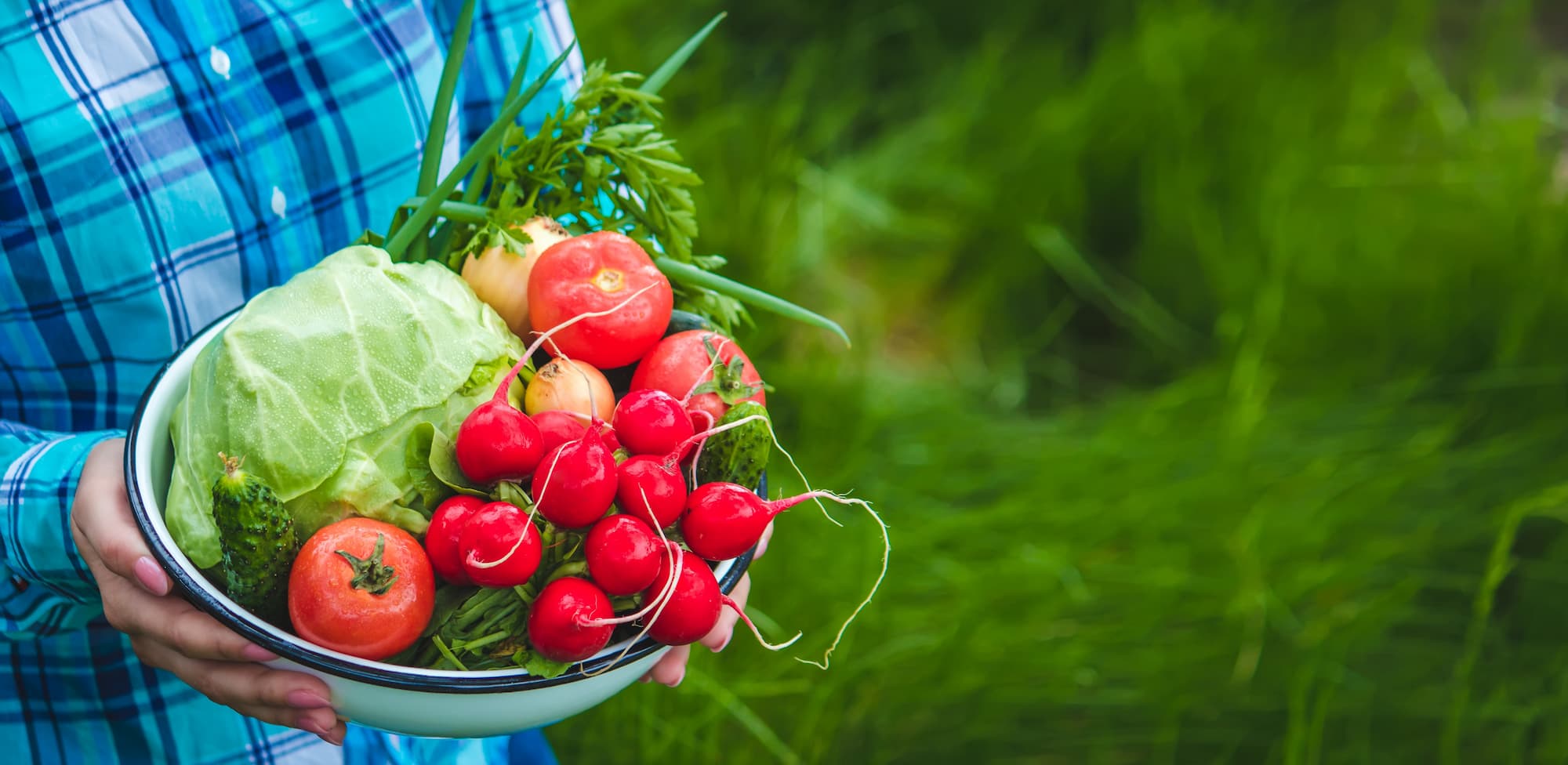
Eggplant Napoleon in Elaine’s Fine Dining. Veggie-stuffed acorn squash at Buckwald’s Arizona Grille. Grain power bowls, built your way with quinoa, farro or pearl barley, at the Town Plaza Bistro. With so many plant-based dining options at Beatitudes Campus, a little green goes a long way.
We believe your best way of eating is the one that supports your health, fits your values, and still feels fun and flavorful. You shouldn’t have to make a “special request” every time you sit down to eat. Our culinary team prioritizes inclusivity, so vegetarian and vegan residents can look forward to meals just as much as everyone else.
What is a plant-based diet? For flexitarians (flexible vegetarians), it means leaning more into plants while still enjoying occasional fish, dairy or eggs. For others, it’s a full vegetarian diet or a vegan diet. Either way, the goal is more fruits, vegetables, whole grains, legumes, nuts and seeds, and fewer highly processed foods. You may also hear the term whole-food, plant-based diet, which focuses on plant foods in their most nourishing, minimally processed forms.
“We are happy and supportive to have residents who really care about their health and diet. In every menu we have on campus and events we host, we offer a vegetarian choice entrée and several other vegetable options,” said Nutrition Care Manager, Lori Eddings. “We have several residents on campus who eat flexitarian to full vegan styles of diets, so we always have vegetarian options automatically part of our menus.”
That word, automatically, matters. It means plant-forward diners can relax and enjoy the experience, knowing satisfying choices await them. Chef Cosmin Barbu added that the focus on plant-forward eating is only growing as dining menus evolve across campus.
“All menus for our dining areas are being updated. We’re starting with the Bistro, and the new menu will feature a veggie quesadilla, a spinach and arugula salad, and many vegetable and grain sides.”
So, whether you’re a longtime vegetarian, newly curious about going plant-based or simply trying to eat more vegetables, you’ll find an abundance of green choices at Beatitudes Campus.
What do vegetarians eat? Most vegetarians focus on plant foods but may also include eggs and dairy on their plates, depending on their personal preferences. Many vegetarian meals include vegetables, fruits, grains, beans, lentils, tofu, tempeh, nuts, seeds, dairy and eggs.
What do vegans eat? A vegan diet avoids animal products, including meat, dairy, eggs and often honey. Vegan meals still offer plenty of variety and flavor, especially when built around hearty staples like beans, lentils, tofu, whole grains, vegetables, sauces, herbs and spices.
A plant-based diet is about making choices that help you feel your best, more often. This approach can support:
A common misconception about plant-based eating is that it requires a dramatic overhaul. In reality, small shifts add up quickly and can feel surprisingly doable. One simple and popular trend is to eat 40 different plant foods in a week. This includes fruits, vegetables, herbs, spices, nuts, seeds, beans, whole grains, and even coffee and dark chocolate in some versions.
When you aim for variety, you naturally expand your nutrition, keep meals from getting boring and discover new favorites along the way. Here are five easy ways to rack up the plants:
Another plant-forward strategy is to “eat the rainbow.” When you fill your plate with colorful fruits and vegetables throughout the week, you’re naturally pulling in a wider variety of nutrients without having to think too hard about it.
Think of it as a challenge: how many colors can you get on your plate this week?
If you’re curious about how to start a plant-based diet, here are a few ways to begin:
Another question we hear is about protein for vegetarians. The good news is plant-forward eaters have lots of options, and protein shows up in more places than people think. Sources include:
A simple rule of thumb is to pair a protein with a fiber-rich carbohydrate (like vegetables or whole grains) and add a healthy fat (like avocado, olive oil or nuts). That combination tends to feel satisfying and keeps energy steady.
Food is personal and reflects health goals, personal values, cultural traditions and what feels good to you. It helps to live somewhere where healthy choices are convenient and delicious.
That’s where Beatitudes Campus really serves it up. We’re proud to be a community where residents feel seen and supported, including at the dining table.
Whether you’re fully vegan, vegetarian, flexitarian or just trying to eat a few more vegetables this week, you deserve meals that nourish you and a community that makes it easy to keep doing what works for you.
If you’re exploring Beatitudes Campus and wondering how your preferred way of eating will fit here, we’d love to talk and show you what’s on our menu. Call (602) 833-1358 or schedule a personal tour.
Featured Image: Anuta23 / Shutterstock