From ‘Groovy’ to ‘Rizz’: How Language Keeps Reinventing Itself
April 7, 2026



April 7, 2026
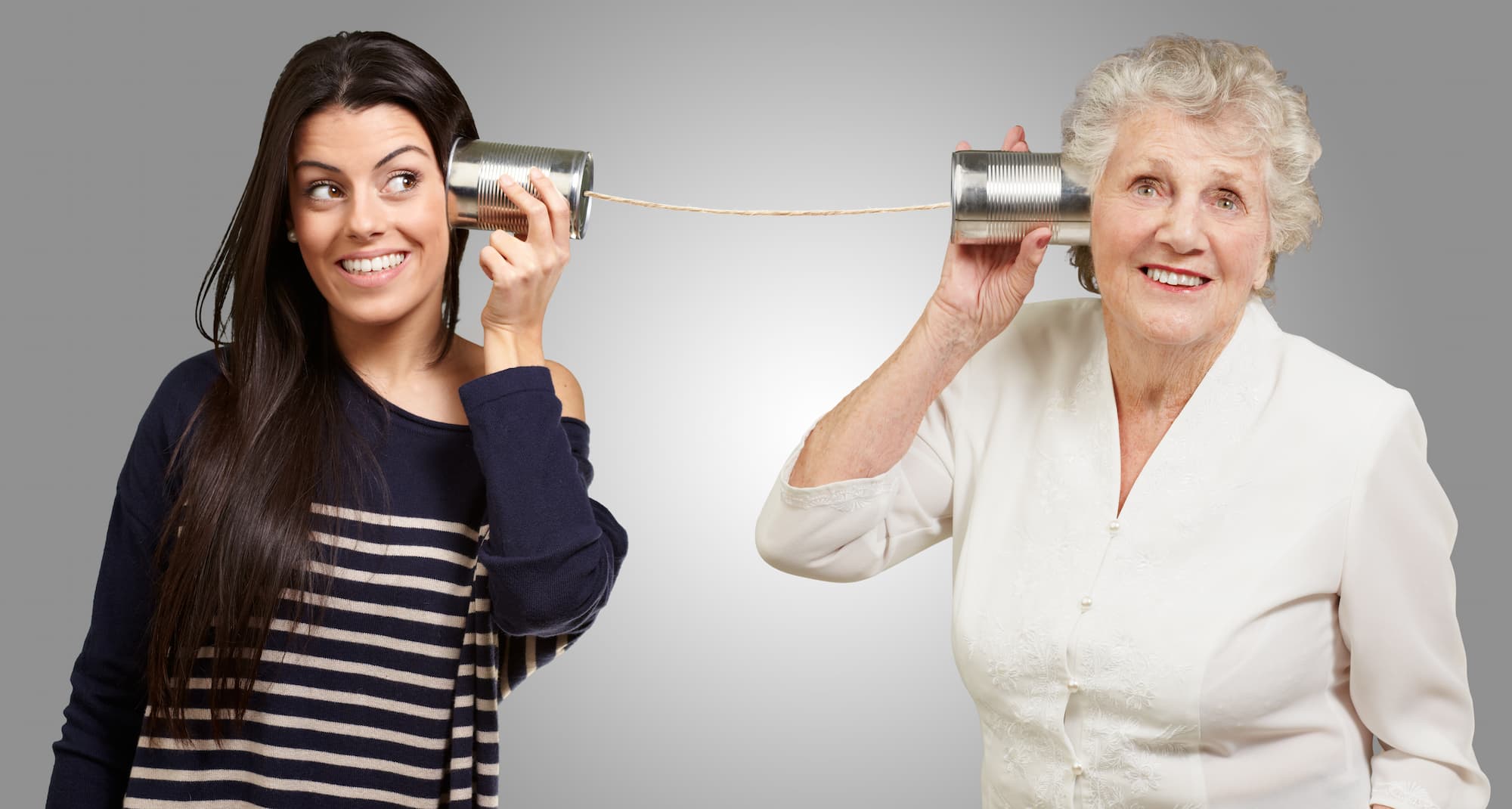
If you’ve recently found yourself nodding along to a conversation with your grandchild while understanding absolutely nothing they just said, welcome to the club. You’re not alone or out of touch. And you’re definitely not the first person to Google “what does ‘no cap’ mean?”
Language has always been a living, breathing thing. It shifts, stretches and reinvents itself with every generation, absorbing the culture and moment in history that demands a new way of saying something that matters. The way we talk about people, places and experiences reflects how we see the world and each other.
The 1920s had “the bee’s knees.” The 1940s brought “malarkey” and “copacetic.” The 1950s checked in with “knuckle sandwich” and “Daddy-o.” The 1960s gave us “groovy.” The 1970s added “burn rubber” and “boogie.” By the 1980s, we were saying “rad” and “gnarly,” and the 1990s closed it out with “as if” and “all that.”
Each generation rolls its eyes at the next one’s vocabulary, then adopts half of it without admitting it. Language evolves because the world evolves. New technology, social movements and generations growing up with entirely different reference points all shape how we express ourselves. The words we choose reveal what we value, who we’re listening to and how willing we are to meet people where they are.
Every year, Merriam-Webster announces its Word of the Year, and every year, people have opinions about it. But the selection process is more thoughtful than it might appear.
The team at Merriam-Webster tracks which words see the highest spikes in lookups throughout the year, particularly those that reflect meaningful developments in culture, politics or society. It’s less about what’s trendy and more about what people are genuinely trying to understand.
Recent Words of the Year have included “authentic,” “gaslighting” and “rizz.” Each one is a window into what the country was collectively wrestling with or curious about at that moment. Think of it as a vocabulary snapshot of who we are and what we’re paying attention to.
If your grandchild has ever left you puzzling over a text message, here’s a quick guide to some of the words and phrases you may encounter:
You don’t have to use these words yourself (though imagine the look on your grandchild’s face if you did). But recognizing them gives you a way in, a small bridge into a conversation that might otherwise feel like a foreign language.
Language is also how we tell people they belong. One of the most important evolutions in modern language involves something as small and simple as a pronoun. More and more people today, particularly younger generations, identify with pronouns that may differ from what others might assume based on appearance alone. She/her, he/him, they/them and others are terms individuals use to refer to themselves. Using someone’s correct pronouns is one of the most direct ways to show respect.
This can feel unfamiliar at first, especially if you didn’t grow up in a world where this was part of the conversation. That’s OK. Most meaningful shifts in language come with a learning curve. The important thing isn’t perfection, it’s the genuine effort to get it right. A few simple ways to practice:
Pronouns are just one example of how different groups use language to express identity and belonging. Cultural communities, generational groups and social movements all develop their own vocabulary to name their experiences. This is often because existing languages simply weren’t built with them in mind.
Paying attention to the language a group uses to describe itself is a sign of respect. It signals that you’re listening, that you’re willing to learn and that you understand language isn’t just about words.
This shows up in conversations about aging, too. Many older adults prefer terms like “older adult” versus “elderly.” Some communities have strong preferences around how disability is discussed. Indigenous communities often have specific preferences around terminology that reflect their identity and sovereignty. Taking the time to ask and listen (rather than assuming) goes a long way in every one of these conversations.
Lifelong learning is a philosophy here at Beatitudes Campus. Residents are encouraged to keep exploring, questioning and growing. This includes the language that shapes how we connect with the people around us.
Our lifelong learning opportunities can help you decode your grandchild’s texts, understand inclusive language and stay engaged with a world that keeps changing. Ready to keep growing? Learn more by calling (602) 833-1358 or by planning your personal tour.
Featured Image: KrakenImages / Shutterstock